What Is Earth in the Five Elements? A Beginner’s Guide
Earth is one of the Five Elements in Birth Code. It represents stability, support, and balance. While some elements are easier to notice because they move strongly outward, Earth works more quietly by holding things together and giving structure.
This makes Earth an important concept for beginners to understand. In simple terms, Earth is the element that helps energy settle, connect, and remain grounded. Without it, growth and movement would have no stable base.
What Earth Represents in the Five Elements
Earth represents energy that stabilizes, gathers, and supports. It is the stage where movement begins to settle and form a center. Because of that, Earth is closely connected with grounding, balance, and structure.
In the Five Elements system, not all energy moves in the same way. Some forms of energy expand, push forward, or spread outward. Earth is different. It brings energy inward, gives it form, and helps it stay connected.
This is why Earth is often understood as the element of support. It does not always draw attention to itself, but it plays an important role in keeping everything stable.
Why Earth Matters in a Birth Code Chart
In a Birth Code chart, Earth matters because growth needs support. Movement alone is not enough. If energy keeps expanding without anything to hold it, it can become scattered or unstable.
Earth provides the center that allows other energies to function in a more balanced way. It helps create steadiness within movement and structure within change.
For beginners, this can be a useful way to think about it: Earth is not only about stillness. It is also about making growth sustainable. In other words, it helps energy settle into something that can last.
Earth as Soil and Foundation
A simple way to understand Earth is to think of soil. Soil receives, holds, and supports what grows from it. It does not move quickly, yet it makes growth possible.
This image is helpful because Earth is not mainly about action. Instead, it is about foundation. It creates the conditions that allow other forms of energy to develop and continue.
Because of that, Earth is often linked with support, stability, and transition. It holds different forces together and gives them a place to settle.
The Difference Between Yang Earth and Yin Earth
Earth appears in two forms: Yang Earth and Yin Earth. Both belong to the same element, but they express stability in different ways.
Yang Earth shows a broader and more open kind of support. It is firm, steady, and able to hold things together on a larger scale. You can think of it like land or wide ground that supports everything above it.

Yin Earth shows a more focused and contained kind of support. It gathers, refines, and holds things more carefully. A useful image here is cultivated soil, prepared to support growth in a more controlled way.

So, while both forms of Earth are stabilizing, their style is different. Yang Earth supports through firmness and scale. Yin Earth supports through containment and care.
Why Earth Is Important for Balance
Earth is important because it helps maintain balance in the Five Elements. It connects movement with stability and allows change to happen without losing structure.
This does not mean Earth is passive or unimportant. On the contrary, Earth is what helps energy remain grounded and workable. As a result, it plays a key role in how balance is understood in a Birth Code chart.
For beginners, the main point is simple: Earth is the element that holds things together. It supports growth, creates stability, and gives energy a center.
Suggested Image Placement
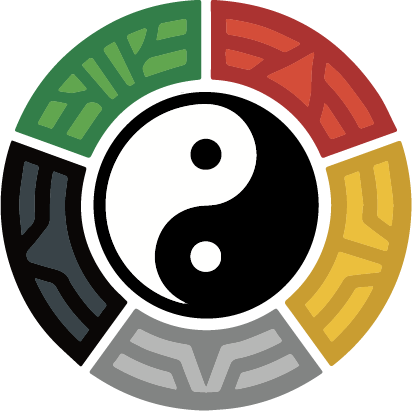
- After the introduction: a simple Five Elements diagram highlighting Earth
- Under “Earth as Soil and Foundation”: an illustration of soil or farmland as a grounding metaphor
- Under “The Difference Between Yang Earth and Yin Earth”: a comparison graphic showing open land vs cultivated soil